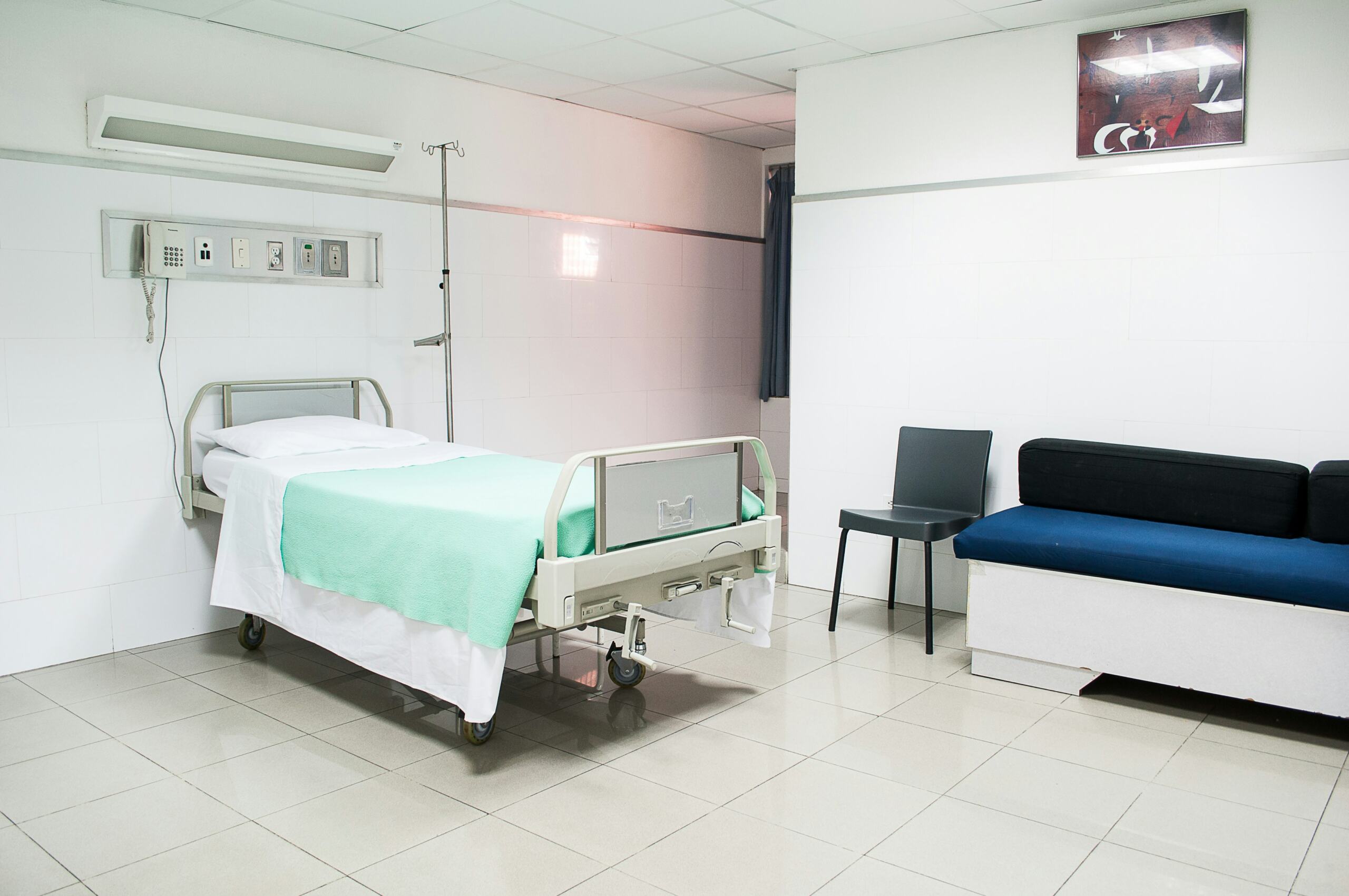
OSHA Standards and Regulations for Hospitals
Hospital workplace compliance
OSHA Standards and Regulations for Hospitals: An Overview
OSHA regulations for hospitals include general workplace safety and health standards, together with requirements that apply to the clinical services, equipment, substances, and operations within a particular facility. There is no single hospital-only checklist: employers must identify the hazards their workers may encounter and implement the applicable controls, training, procedures, and records.
Hospital-Wide Safety Requirements
- 1910.22 Walking-working surfaces
- 1910.25 Stairways
- 1910.35 Means of egress
- 1910.38 Emergency action plans
Clinical and Healthcare Hazards
- 1910.1030 Bloodborne pathogens
- 1910.1096 Ionizing radiation
- Subpart I Personal protective equipment
- Subpart Z Toxic and hazardous substances
Department and Operations Risks
- 1910.95 Occupational noise exposure
- 1910.303 Electrical requirements
- Subpart J Environmental controls
- Subpart O Machinery and machine guarding
Managing OSHA Compliance in a Hospital Setting
Hospital OSHA compliance begins with identifying the standards that apply to the facility’s actual work areas, equipment, services, and employee duties. A hospital with an emergency department, laboratory, surgical suite, pharmacy, laundry, and facilities team will face a different mix of hazards from a specialist or outpatient facility.
Start With a Department-by-Department Hazard Assessment
OSHA’s Hospital eTool is a useful starting point for identifying common hazards and controls across hospital activities. It covers areas including clinical services, emergency departments, central sterile supply, laboratories, pharmacy, housekeeping, laundry, food services, facilities management, and surgical suites.
Address Recognized Hospital-Wide Hazards
Alongside specific OSHA standards, the Occupational Safety and Health Act requires employers to provide employment and a workplace free from recognized hazards likely to cause death or serious physical harm. In hospitals, this may involve risks such as workplace violence, manual patient handling, slips and falls, hazardous substances, and infectious-material exposure.
Controls should be proportionate to the task and may include engineering controls, safe work practices, suitable personal protective equipment, staffing and administrative measures, and incident-response procedures. OSHA provides separate ergonomics guidance relevant to reducing musculoskeletal risks.
Maintain Injury, Illness, and Exposure Records
Hospitals that are required to keep OSHA injury and illness records must document qualifying work-related injuries and illnesses under 29 CFR Part 1904. The responsible employer for temporary or agency personnel can depend on the day-to-day supervision arrangement, so hospitals should confirm responsibilities within their staffing arrangements.
Some incidents also require additional records. For example, employers that must keep OSHA injury and illness records generally need a confidential sharps injury log for percutaneous injuries involving contaminated sharps. Privacy rules apply to needlestick and sharps cases, and employee names must not be entered on the OSHA 300 Log where the case qualifies as a privacy concern.
Deliver Training That Matches Each Role
OSHA training obligations vary by standard and by the hazards an employee may encounter. Required PPE must be accompanied by training on its proper use, limitations, care, and removal. Employees exposed to hazardous chemicals need hazard communication information and training relevant to those chemicals and tasks.
Employees with reasonably anticipated occupational exposure to blood or other potentially infectious materials require Bloodborne Pathogens training when initially assigned to that exposure-prone role, at least annually thereafter, and when new or modified tasks create a new exposure risk. Training should be understandable, relevant to the employee’s role, and give employees an opportunity to ask questions. For a practical overview of exposure control plans, universal precautions, PPE, cleanup, and post-exposure procedures, see our Ultimate Guide to Bloodborne Pathogens and OSHA Workplace Safety.
Use Reliable Compliance Resources and Escalate Concerns
Hospital safety leaders can use OSHA’s hospital resources, recordkeeping guidance, and NIOSH Pocket Guide to Chemical Hazards when assessing workplace risks. OSHA also provides consultation services in some circumstances; official guidance is available at OSHA On-Site Consultation.
Employees should know how to report injuries, safety concerns, hazardous exposures, and potential Bloodborne Pathogens incidents promptly through the hospital’s established reporting process.