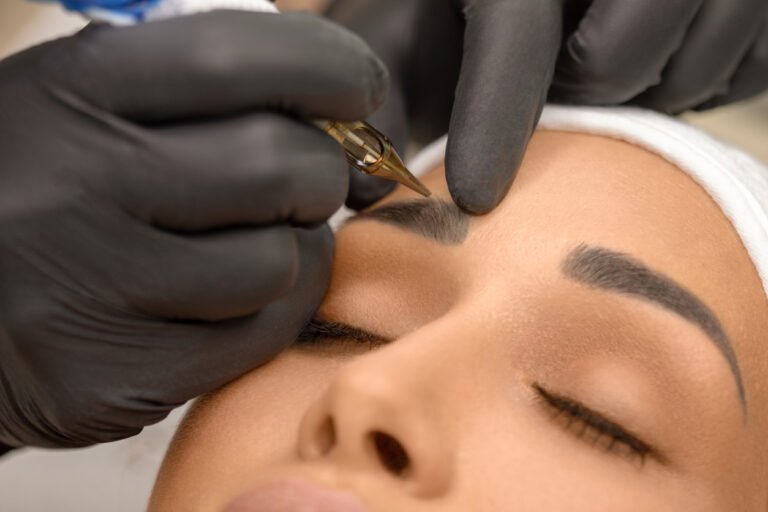
OSHA Bloodborne Pathogens & Tattoo Studios: Essential Info
Tattoo studio employer guide
OSHA Bloodborne Pathogens & Tattoo Studios: Essential Info
Tattoo and body art work can involve contact with blood and other potentially infectious materials. This guide helps studio owners and managers understand the workplace controls, training, and incident procedures required to protect employees with occupational exposure.
What Are Bloodborne Pathogens – and Why Do They Matter in a Tattoo Studio?
Bloodborne pathogens are infectious microorganisms present in human blood that can cause disease. In workplace BBP training, the most commonly discussed examples are hepatitis B virus (HBV), hepatitis C virus (HCV), and human immunodeficiency virus (HIV).
In a body art workplace, the practical concern is preventing exposure during tasks that may involve blood, contaminated sharps, or relevant potentially infectious materials. Good studio procedures also reduce avoidable cross-contamination during the working day.
OSHA Guidance and Requirements for Tattoo Studio Employers
The federal OSHA Bloodborne Pathogens Standard, 29 CFR 1910.1030, applies to employees with reasonably anticipated occupational exposure to blood or other potentially infectious materials. It explains the employer responsibilities designed to eliminate or minimize that exposure.
Employer Responsibilities Under the OSHA Bloodborne Pathogens Standard
Where a tattoo or body art studio has employees with reasonably anticipated occupational exposure, the employer must establish and implement the protections required by the OSHA Bloodborne Pathogens Standard. These responsibilities go beyond a single written plan: they are designed to reduce exposure in daily work, prepare for an incident, and support covered employees over time.
Establish an Exposure Control Plan in a Body Art Studio
A written Exposure Control Plan (ECP) is a central part of OSHA compliance for an employer with employees who have occupational exposure. Its purpose is to identify where exposure may occur and set out the practical controls used to eliminate or minimize that risk in your studio.
The plan should be specific to the way your studio operates. It should identify job classifications and the tasks or procedures in which occupational exposure may occur; it should not assume that every person working on site has the same exposure risk.
Keep the plan accessible to affected employees. Involving artists and other affected staff when reviewing practical work practices can also help ensure the written procedure reflects what happens at the station each day.
Implement Universal Precautions and Daily Exposure Controls
Universal Precautions are the starting point for safe work around blood and relevant potentially infectious materials. Under this approach, human blood and specified body fluids are treated as if known to be infectious. In situations where it is difficult or impossible to distinguish body-fluid types, treat all body fluids as potentially infectious.
Use Engineering Controls
Engineering controls isolate or remove a hazard from the work environment. In a body art studio, this includes keeping appropriate, closable sharps containers accessible at the point of use and maintaining any safety devices or equipment that reduce the chance of a sharps injury.
Use Safe Work Practices
Work-practice controls reduce exposure by changing how tasks are performed. Build clear clean and contaminated zones, use hand hygiene at the right times, minimize splashing, handle contaminated sharps safely, and avoid carrying contamination from the procedure area to supplies, phones, payment devices, or other clean surfaces.
Provide Task-Appropriate PPE
Personal protective equipment is used where exposure remains after engineering and work-practice controls. Gloves are common in body art work; protective clothing and eye, face, or mask protection may also be appropriate when the task could contaminate clothing or create splash, spray, or spatter. Required PPE must be provided, maintained, cleaned, repaired, or replaced by the employer at no cost to covered employees.
Making Hepatitis B Vaccination Available
Employers must make the hepatitis B vaccine and vaccination series available to employees who have occupational exposure. This is an employer responsibility under the OSHA Bloodborne Pathogens Standard and is separate from any state or local tattoo-licensing requirement.
Covered Employees
The offer applies to employees with occupational exposure as determined by their actual job duties and tasks.
Initial Assignment
Required BBP training is provided at initial assignment. After that training, the vaccine must be made available within 10 working days of the employee’s initial assignment.
No Cost and Available Later
The vaccination must be provided at no cost. An employee who declines must complete the required declination, but can later choose to receive the vaccine if still eligible.
The vaccine and related medical procedures must be provided in accordance with the standard’s requirements. See OSHA 29 CFR 1910.1030 for the full federal wording.
Making Post-Exposure Evaluation and Follow-Up Available
Even with strong controls in place, an exposure incident can occur. Following a reported incident, the employer must immediately make confidential medical evaluation and follow-up available to the exposed employee at no cost.
Report and Document
Document the route of exposure and the circumstances in which the incident occurred.
Arrange Confidential Care
Make a confidential medical evaluation and follow-up available immediately through an appropriate licensed healthcare professional.
Provide Relevant Information
Provide the healthcare professional with the required information about the employee’s duties, exposure route, circumstances, and source information where available and lawful.
Protect Confidentiality
Testing, counseling, and prophylaxis are handled through the medical follow-up process. Diagnoses remain confidential and are not included in the employer’s written report.
Your Exposure Control Plan should identify who employees contact and how this follow-up is arranged before an incident occurs. See OSHA 29 CFR 1910.1030 for the complete federal requirements.
Using Signage and Labels to Communicate Hazards
Labels and color-coding help employees recognize containers and equipment that require bloodborne-pathogen precautions. Build the required labeling into your studio’s waste, storage, laundry, and equipment procedures rather than relying on staff memory.
Regulated Waste Containers
Use required warning labels or color-coding on containers for regulated waste and contaminated sharps, as applicable.
Blood or OPIM Containers
Apply labels to containers used to store, transport, or ship blood or other potentially infectious materials, including applicable refrigerators and freezers.
Communicate Remaining Hazards
Contaminated equipment being serviced or shipped must identify the portions that remain contaminated. Follow the applicable labeling or color-coding requirements for contaminated laundry.
Providing Information and Training
Employers must provide bloodborne pathogens training for employees with occupational exposure. Training should help employees recognize the tasks that may create exposure, understand the controls used in their own workplace, and know what to do if an incident occurs.
When Training Is Required
Training must be provided at no cost and during working hours. It should be appropriate to employees’ education, literacy, and language, and include an opportunity to ask interactive questions of a knowledgeable trainer.
Tattoo and Body Art-Specific Coverage
A body art training course should cover the general OSHA requirements and be supplemented with the information employees need for the studio in which they work, including its Exposure Control Plan, procedures, and reporting process.
- Bloodborne pathogens and how they can be transmitted
- Occupational exposure compared with an exposure incident
- The studio’s Exposure Control Plan and how to access it
- Recognizing tasks that may involve blood or OPIM
- Engineering controls, safe work practices, and PPE
- Body art station setup, sharps handling, and clean/contaminated workflow
- Cleaning, disinfection, and applicable waste procedures
- Warning labels, color-coding, and required hazard communication
- The hepatitis B vaccination program
- Emergency reporting and post-exposure follow-up
Maintaining Medical and Training Records
Recordkeeping is an employer responsibility under the OSHA Bloodborne Pathogens Standard for employees with occupational exposure. Records should be accurate, securely maintained, and handled in a way that protects employee confidentiality.
Confidential Medical Records
Maintain an occupationally exposed employee’s Hepatitis B vaccination status and applicable post-exposure evaluation and follow-up records. Medical records are confidential and generally must be retained for the duration of employment plus 30 years.
Training Records
Keep a record of each BBP training session, including its date, a summary of content, the trainer’s name and qualifications, and the names and job titles of attendees. Training records must generally be retained for three years.
Sharps Injury Log
Where required, maintain a confidential sharps injury log for percutaneous injuries involving contaminated sharps. It should record the device type and brand, work area, and a brief explanation of how the incident occurred.